Insurance in a changing climate
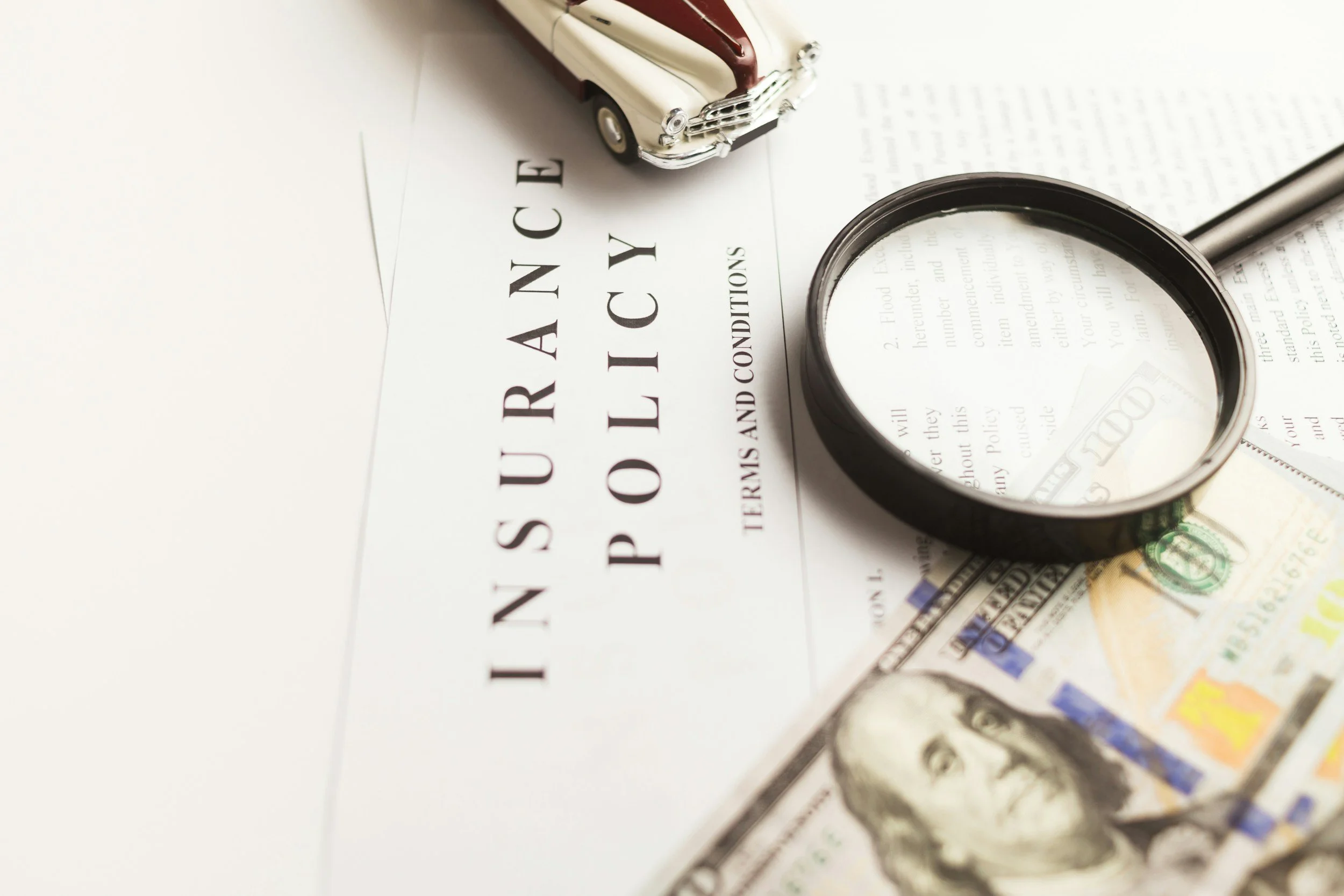
MOTHs asked our community to share their experiences with home insurance, a clear and deeply concerning pattern emerged, particularly from those living in areas affected by natural disasters. People described rapidly increasing premiums, fewer insurers willing to provide cover, policies being cancelled, and families making impossible decisions about what they could afford to protect.
One member told us their premium had increased by 62% over four years to more than $8,000 a year, despite never making a claim. Another said their premiums had risen by "a minimum of $600 each year" before their policy was cancelled altogether in June 2026. One family discovered their insurer had not renewed their policy and had failed to notify them, leaving them unknowingly uninsured.
At the same time, competition between insurers appears to have collapsed. One member said they now have only two insurance options available, while another reported being limited to "only one underwriter due to our location."
Faced with these rising costs and shrinking choices, families are quietly accepting greater financial risk. One respondent shared, "We are now under-insured on both our contents and home and have agreed we will not make a claim... unless our home was destroyed."
Perhaps most concerning was the growing fear that homes in disaster-prone communities are becoming stranded assets—properties that are becoming increasingly difficult to insure, sell, rebuild or recover after future disasters.
Running through every response was a profound sense of distress and abandonment. As one member wrote, "I genuinely feel like a $$ to them. I don't feel human. I feel extorted and taken for a ride just for the sake of feeling secure in my own home."
At MOTHs, we believe these are not simply insurance issues, but community wellbeing issues. The changing insurance landscape following disasters is placing enormous financial and emotional pressure on families, increasing anxiety about the future, and undermining people's sense of security and belonging. Left unaddressed, these changes threaten not only individual households but the long-term resilience and viability of disaster-affected communities.