What It Really Takes to Shift Housing Reform
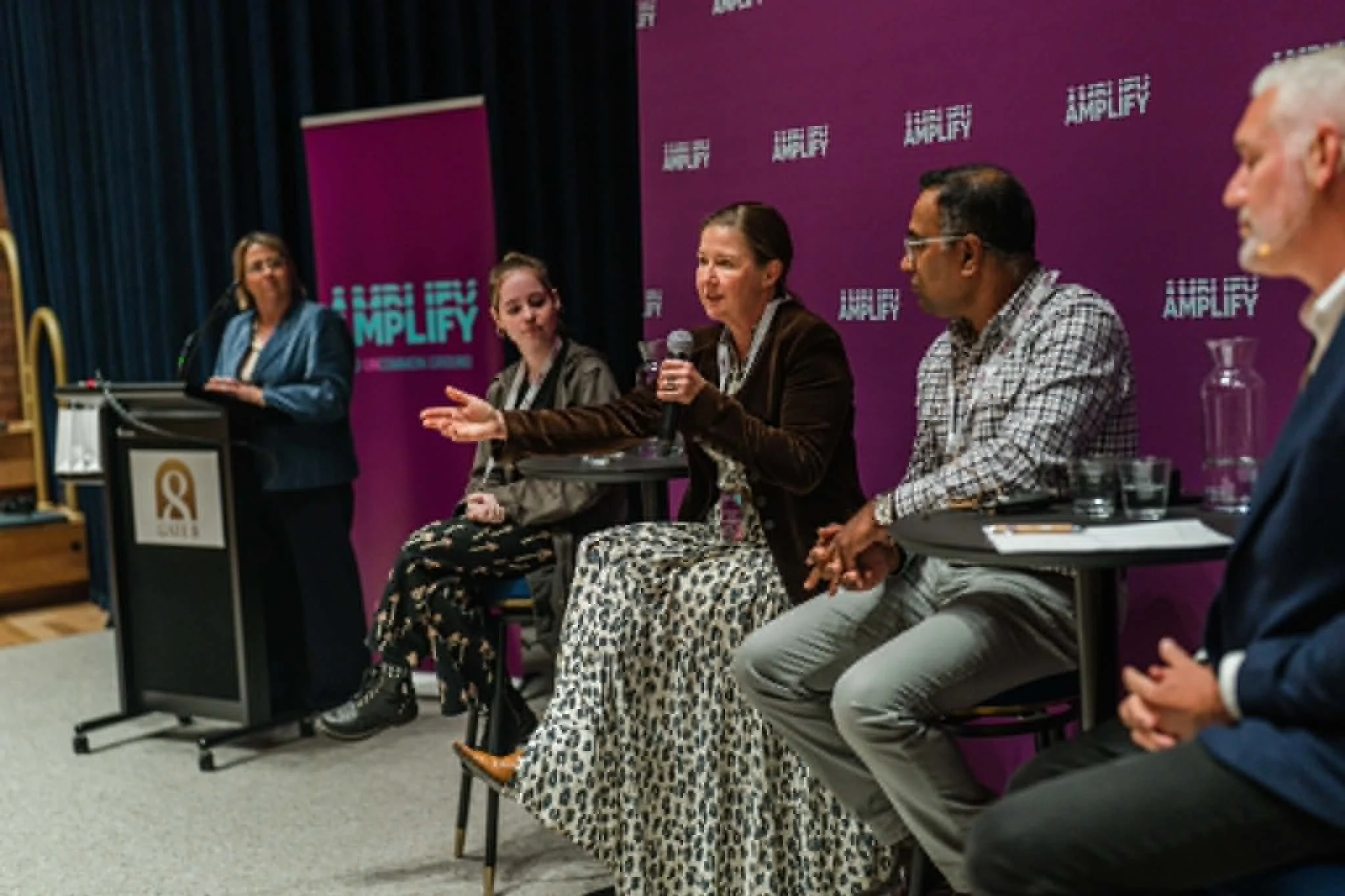
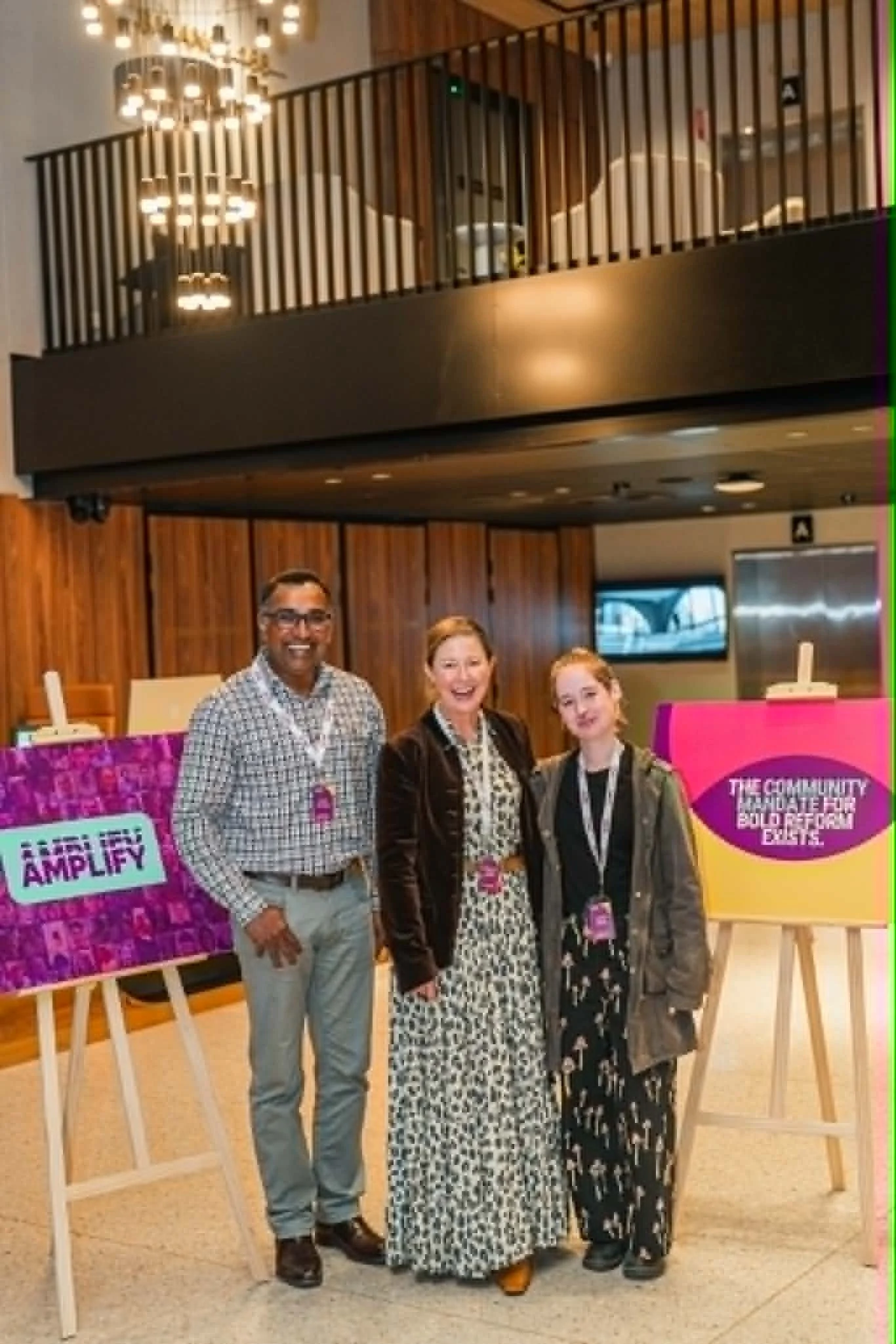
Last week I had the opportunity to be part of a panel conversation on housing with non-partisan group, Amplify, where they launched their housing plan, Solving Australia’s housing crisis: A promise broken, a plan to rebuild it (you can learn more about here). These conversations aren’t new. We have been talking about the housing crisis for years now, and governments across the country have announced policy after policy in response.
The first question I was asked on the panel was why I was there. The answer is simple. I have 8,500 reasons to care about housing reform. That’s the number of women connected through Mums of the Hills. Housing touches every part of their lives in ways that are often invisible in policy discussions. It shapes whether a mum can return to work. If you can’t find stable housing close to childcare or transport, work becomes incredibly difficult, sometimes impossible. It affects access to childcare itself, and whether support networks are close enough to make daily life manageable.
It determines whether the safety nets we talk about actually exist in practice. Whether someone can stay connected to their community, their school, their services, or whether they are forced to start again somewhere unfamiliar.
In some cases, it influences the hardest decisions of all - whether someone feels able to leave an unsafe or abusive relationship, knowing what the housing reality looks like on the other side.
Even after separation, housing continues to shape outcomes. Whether a family can stay in the community they know, or whether they are pushed further away from support, stability, and connection.
That was the lens I brought into the conversation. When we talk about housing, we are not just talking about supply targets or policy settings, we are talking about whether people can participate in their lives in a meaningful way.
From there, the conversation turned to a question many Australians are asking. If so many policies have been announced, why does it still feel like we are barely making a dent?
The gap between action and experience sat with me.
It‘s not because nothing is happening, but that housing is not one problem with one solution. It sits across tax, planning, infrastructure, workforce, and social policy and all of those need to move together for people to feel a difference in their everyday lives.
There is also something else at play. Many of the policies we are seeing are, on the whole, the safer ones politically. They tend to work around the edges of the system rather than reshape it. The kinds of changes that would fundamentally shift housing, particularly those tied to how we treat housing in the tax system or how we use land, are much harder conversations because they involve trade-offs and carry real political risk.
For the kind of reform that we need, governments need something more than a policy announcement. They need public permission to act, and that permission cannot be assumed, it has to be built.
In regions like ours, there is another layer again. The Dandenong Ranges is one of the most disaster-impacted areas in the country. Our councils and communities are regularly not operating in a steady state, but managing recovery, rebuilding, infrastructure strain, and ongoing risk, while also being asked to plan for growth and housing change.
That stretches capacity and shapes appetite because when people are already dealing with uncertainty, loss, and the practical realities of recovery, engaging in big, complex reform conversations can feel overwhelming. It is not a lack of willingness. It is a lack of bandwidth.
At the same time, I have been struck by something else. When you step outside of the noise and actually sit with people, there is far more thoughtfulness than we often assume.
There is a perception that Australians are deeply divided on housing. That renters want one thing, homeowners want another, and that the gap between those positions is too wide to bridge. There is also, increasingly, a pull towards more extreme views. An ‘us versus them’ dynamic that is being amplified, particularly through social media.
My research has looked closely at why information spreads or fades in online environments, and how misinformation can translate into fear. Housing is a complex issue, but it is often reduced down into simple, and sometimes misleading, narratives. Fear about density. Fear about who might move into a neighbourhood. Fear about losing value, identity, or control.
Once fear takes hold, it becomes much harder to have a rational conversation about trade-offs. Yet, when people are given the time, the information, and the space to engage properly, something different happens. People move beyond positions and start to consider the system as a whole. They weigh up impacts, not just for themselves, but for others.
The challenge is that we do not often create the conditions for that kind of thinking. Too often, what we call consultation is reactive. It captures immediate opinion, rather than considered judgement. It asks people to respond quickly to complex issues, often without the information or the space to process what is being asked of them.
If we want different outcomes, we need different conversations. For us in the Hills, the housing challenge is also very specific. We are not a region that can simply expand outward. Land is constrained, and there are environmental and risk considerations that cannot be ignored.
What we need is not just more housing, but the right housing.
We need more one and two bedroom homes, particularly well-designed apartments in our town centres like Monbulk, Mt Evelyn, Lilydale and Upwey so that older residents have a choice in whether they want to downsize or not without leaving the communities they have built their lives in. Right now, there’s not choice. Some stay because the want to, and that’s great. Others however may be staying in larger family homes (on steep blocks and all the trappings of a hills home), not necessarily because they want to, but because there is nowhere appropriate for them to go locally. Having a choice where you live while staying within a community you love should be the goal for everyone.
At the same time, we have separated families and growing families who are desperately looking for those larger homes. In other words, it’s not just a supply issue, but a mismatch, and solving that mismatch requires change. Difficult conversations about density, about land use, about how our towns evolve over time need to happen, particularly in communities already under pressure. This brings us back to where we started.
If we want the kind of reform that will actually shift the system, we need more than policy. We need public permission, be built from the ground up, through conversations that are informed, supported, and grounded in real experience.
People are not the barrier here, but the way we engage with each other, and the conditions we create for those conversations, will determine whether we stay where we are, or whether we find a way forward.
If you’d like to start these conversations, I’m up for organising an opportunity.