A day in the life of one community question…

I've been fascinated by online communities for about a decade now. So fascinated, in fact, that my PhD research ended up centred around how/why online communities work, particularly with place-based communities like ours. After all that time, I still find it extraordinary to watch what can happen when one person asks one question.
It's easy to look at a private group like Mums of the Hills and focus on the number of members, but having thousands of people gathered in the same online space doesn't necessarily give you a community. Those people need to keep showing up. They need to open the group, read the posts, recognise a name, remember something they saw last week, answer a question or tag somebody who might know. Sometimes the most valuable response is simply, I don't know, but I know someone who might.
Just as importantly, people need to feel comfortable enough to ask in the first place. That's something I've cared deeply about in building Mums of the Hills: creating a place people instinctively think of when they need to ask anything and everything. It needs to be somewhere they can ask the serious, practical, vulnerable questions. Even a completely ridiculous question should reasonably expect the people on the other side to be safe, supportive and helpful.
None of that happens by accident, which is where I need to acknowledge our admins. Their dedication to this group is extraordinary. Much of what they do is invisible: reading posts, checking context, applying the rules, keeping an eye on conversations, stepping in when needed and making countless small decisions that protect the kind of space we've worked so hard to create. They do it day after day as volunteers, because they understand that the culture of this group matters. If our members are the people who make the network work, our admins are the people who help make it a place worth turning up to.
That's when something quite remarkable can happen. Someone’s question reaches one person, who knows another person, and suddenly a network that mostly sits invisibly around us springs into action.
Mums of the Hills is a private group, so I don't want to use somebody else's question to show you what that looks like. Instead, I'll show you where my own questions have taken me.
One of the first times I really understood the power of this group was when I needed help for my mum. She'd fallen over while in Sydney for my brother's graduation. Mum was on medication that gave her what she called "tissue-paper skin", and after the fall her face looked like she'd done four rounds with Mike Tyson.
The graduation was in a day or so, so I threw a fairly ridiculous long-shot question into the group asking whether anyone knew a specialist makeup artist in Sydney who might be able to help. I genuinely thought nobody would, but someone was reading.
Someone knew someone in a mums group in Sydney, someone there asked someone else, and the question travelled. Within about 10 hours, I was in contact with a movie makeup artist who, admittedly was far more accustomed to creating convincing bruises than covering them up. She helped Mum look gorgeous for the graduation and, on that occasion, the group really did save the day.
That was one of those moments when something I'd been thinking about theoretically became very real. You don't necessarily need thousands of people to know the answer; you need one person who knows someone who might. That person, however, needs to be there. They need to still be opening the group, reading, engaging and willing to respond.
That's why I've never thought the everyday conversations in a community like ours are unimportant. The recommendations, questions, lost pets, local information, requests for help and occasionally completely ridiculous conversations all give people reasons to keep coming back. Every interaction helps keep that network active, so it is there when somebody really needs it.
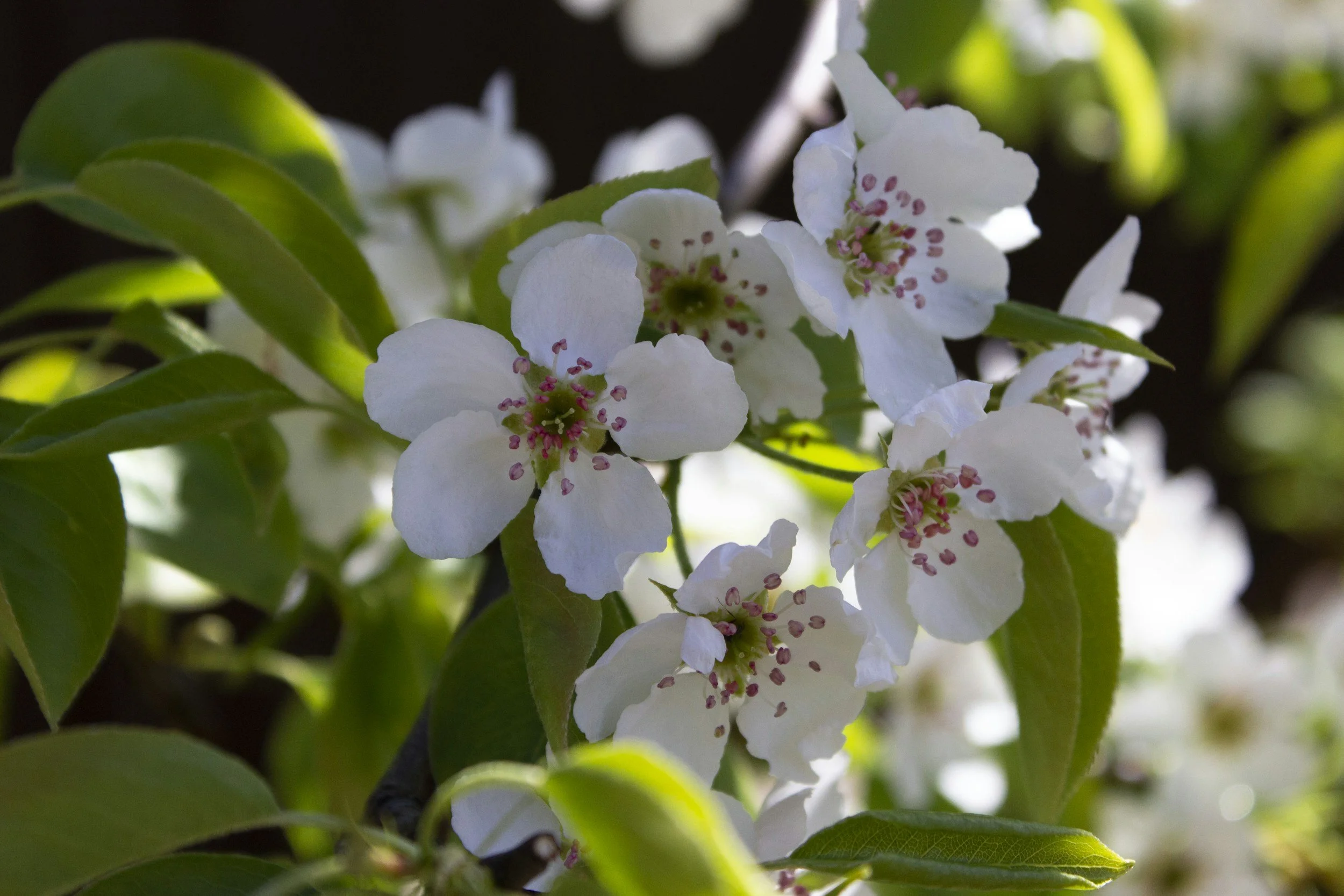
Which brings me to this week's extremely pressing community issue: I need a blossoming pear tree.
My pear tree's mate is apparently not coming to the party, and I need pollen, so naturally I asked Mums of the Hills. Someone suggested finding another flowering pear tree, turning up with a paintbrush, collecting some pollen and manually cross-pollinating mine. This seemed entirely reasonable until someone suggested it would obviously work better if I did it dressed as a bee. Apparently a fairy costume would also be an acceptable substitute.
Things have escalated further with someone sending me photos from a local op shop that currently has bee costumes. Perfect. At the time of writing, I therefore have a paintbrush, access to a bee costume and absolutely no dignity left. All I'm missing is the tree.
It's a ridiculous example, but it illustrates something I've been passionate about for ten years. A strong community isn't only there for the big things. If we want people to instinctively turn to their community when they're isolated, frightened, overwhelmed or genuinely need help, they also need to feel comfortable turning up when they need a plumber, can't identify a strange noise, have lost their dog or desperately need pollen from somebody else's pear tree.
There's another reason I care so much about those ordinary interactions. The normal times are when we build the community we're going to need during the very not-normal ones.
Last night, the earth shook. A magnitude 4.8 earthquake struck near Leongatha just after 2am and was felt across a large part of Victoria. Thankfully, there were no reports of injuries or damage in the hours immediately afterwards.
At my place, the bin fell over. Hardly a disaster. In our neck of the woods, though, we're very conscious that the thing coming down could instead be an enormous mountain ash. We've lived through storms, prolonged power outages, fallen trees, fires and other events that can very quickly turn an ordinary day into something else entirely.
We're also heading towards another summer with a strong El Niño underway. The Bureau of Meteorology says the current event is likely to become the strongest El Niño on record based on central Pacific sea-surface temperatures, while stressing that the strength of an El Niño doesn't necessarily determine the severity of its effects on Australia's weather.
All of that makes the importance of this online community particularly hard for me to miss. When something genuinely goes wrong, I don't want the first interaction between neighbours to be an emergency post. I want the connections to already exist. I want people accustomed to checking the group, sharing useful information, answering questions and looking out for each other. I want asking for help to feel normal long before anyone desperately needs it.
Those everyday interactions aren't clutter around the important community stuff. They're part of what makes the important community stuff possible. The pear trees, plumber recommendations, lost dogs and ridiculous conversations help keep people connected during ordinary times, and that connection gives us something much stronger to draw upon when the times are anything but ordinary.
Sometimes one question travels hundreds of kilometres and finds a movie makeup artist who helps your mum feel beautiful for an important family day. Sometimes it sends you looking for a bee costume so you can wander into someone's garden carrying a paintbrush. Sometimes, when things go very wrong, that same habit of turning up, reading and responding can become much more important.
You never really know where one question will lead, which, even after ten years of watching online communities work, is something I still find pretty wonderful.
For now, however, my crisis remains considerably less dramatic. Somewhere in these hills, surely someone has a flowering pear tree. Just think… we could be pearants.