
Give To Gain
What are we really being asked to do this IWD?
Each year, International Women’s Day arrives with a theme that attempts to capture the moment we are living in. Some years feel aspirational. Some feel urgent. This year’s theme, Give To Gain, feels deceptively simple.
At face value, it sounds transactional. Give, then gain. Contribute, then benefit. Invest, then receive.
The deeper invitation, however, may be far more philosophical.
If giving is only valuable because we expect something back, then it is not generosity. It is exchange. It is conditional. The more compelling question is what motivates us to give when there is no guaranteed return. What shifts in a community when people contribute because they believe in strengthening the whole rather than protecting their individual share?
We are living in a time that often amplifies scarcity. Rising costs of living, housing pressure, algorithm-driven comparison and public discourse that rewards outrage more than encouragement all contribute to a subtle contraction. In environments like this, it becomes easy to protect, to compete and to measure ourselves against one another.
Women are not immune to that pressure.
Much of the conversation around gender equality rightly focuses on structural barriers. There is also a quieter cultural layer that deserves reflection. Subtle comparison. Sideways competition. The instinct to critique rather than collaborate. The uncomfortable truth that sometimes women can be the harshest judges of other women.
This dynamic is not universal, but it is real.
Perhaps Give To Gain is, in part, a cultural recalibration. A reminder that we gain more by raising one another than by ranking one another. Another woman’s visibility does not diminish our own. Opportunity expands when it is shared. Leadership is not a single seat at a limited table, but something that can be built collectively.
Investing in another woman’s confidence, business, idea or wellbeing does not reduce our ground. It expands it.
In communities like ours, this principle is not abstract. Ideas posted casually can grow into workshops, programs and advocacy campaigns. Conversations can become movements. Referrals can become livelihoods. Encouragement can become courage.
The reality, however, is that this ecosystem is fragile.
Generosity can contract quickly. A dismissive comment. A sideways remark about someone’s success. A suggestion that a win is self-promotion. When one woman is knocked for thriving, it quietly teaches others to shrink. Celebration begins to feel risky. Sharing becomes cautious. Ambition is softened or disguised.
Fear rarely announces itself loudly. It seeps in. Women hesitate before posting good news. Achievements are downplayed. Momentum is apologised for. Silence starts to feel safer than visibility.
What follows is often isolation.
A quiet withdrawal from community. A growing sense that it is safer not to speak. An internal narrative that it is better not to take up space. Over time, that contraction chips away at confidence and belonging. Anxiety can take root. Loneliness can deepen. The feeling of navigating life alone becomes heavier.
Mental health is often discussed in individual terms, yet it is profoundly shaped by social conditions. A culture that celebrates women builds resilience. A culture that scrutinises or undermines them erodes it.
There is another layer to consider.
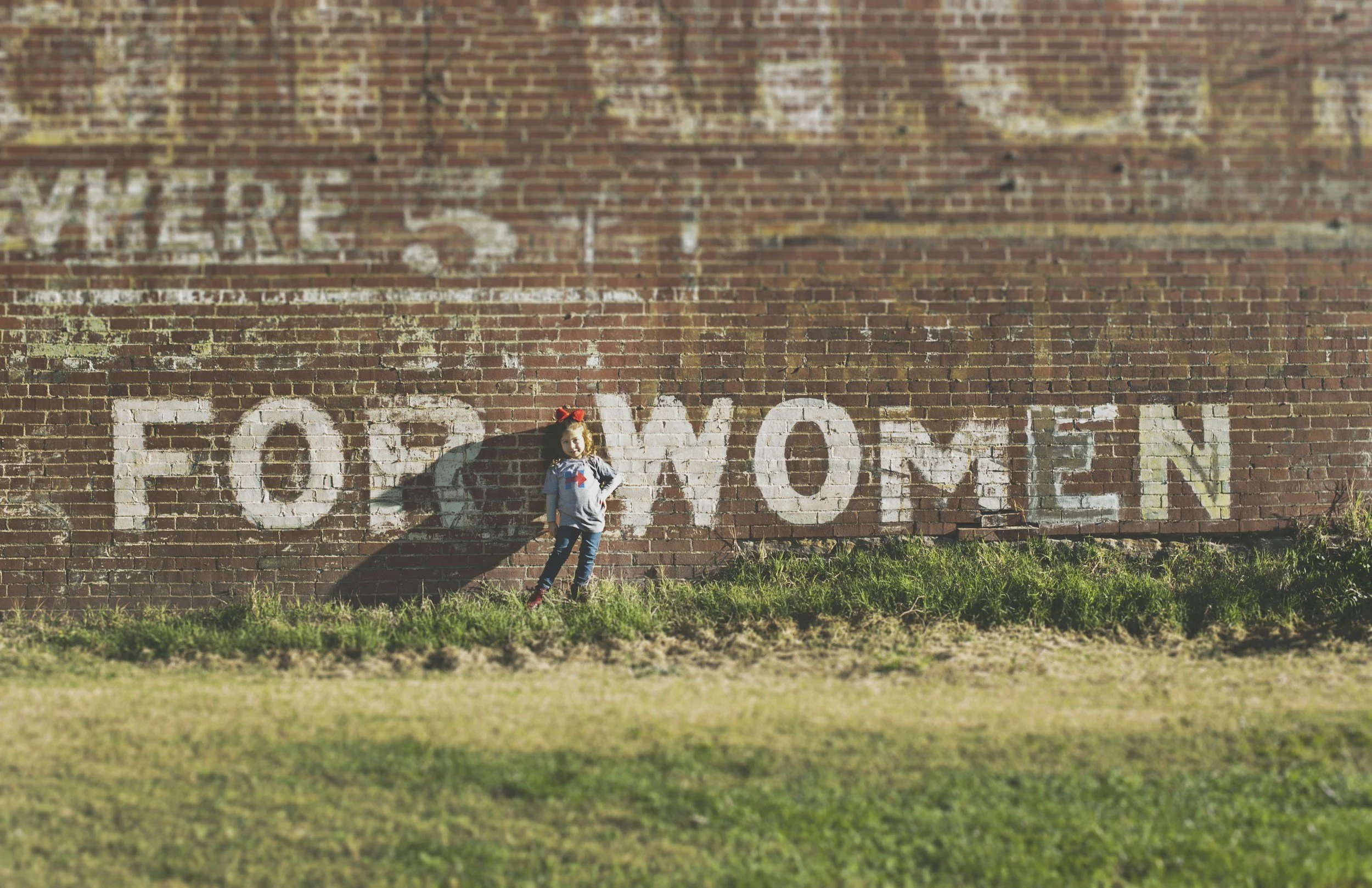
Many of us are raising daughters. All of us are shaping the environment that young women are watching. They are observing how we speak about other women. They are learning what success looks like and how it is treated. They are absorbing cues about whether ambition should be hidden or expressed, whether confidence invites encouragement or criticism.
The culture we create now becomes the template they inherit.
If we want our daughters to step into rooms without shrinking, to celebrate their achievements without apology, to collaborate rather than compete, then they must see those behaviours modelled. If we want them to feel supported rather than scrutinised, they must grow up witnessing women supporting one another visibly and consistently.
Giving, in this sense, becomes generational.
Choosing encouragement over commentary teaches them that another woman’s success is not a threat. Choosing collaboration over comparison teaches them that opportunity expands when shared. Choosing to invest in community rather than undermine it teaches them that strength is collective, not solitary.
If giving is about more than money or mentoring, it must include safeguarding the emotional conditions that allow women to participate fully. It requires the courage to celebrate one another without suspicion, the maturity to recognise that another woman’s growth does not threaten our own, and the discipline to choose encouragement over commentary.
A community where women feel safe to rise becomes a community where more women will rise. A community where women feel safe to be visible becomes one where fewer women feel alone. A culture where generosity is protected becomes one where confidence can flourish.
The deeper invitation of Give To Gain may not simply be about offering resources. It may be about protecting belonging, strengthening mental wellbeing and modelling a different future for the next generation.
If we gain anything from giving, it may not be applause or advantage. It may be something steadier and more enduring: trust, confidence, stability and shared strength. It may be the quiet knowledge that our daughters will step into a world where women lift rather than limit one another.
In a time that often encourages contraction and comparison, choosing to raise one another is not sentimental. It is strategic. It is protective. It is legacy.
The real gain may not be individual at all. It may be collective, and generational.
That kind of gain is worth investing in.
This International Women’s Day, the invitation is simple but powerful. Notice where you can expand rather than contract. Celebrate another woman publicly. Share a recommendation. Offer encouragement without qualification. Invest in a space that supports women. Speak up when someone is diminished. Model the culture you want your daughters to inherit.
Give in ways that build. Gain in ways that last.